
What Drives Gold Prices in Global Markets
For centuries, investors have been interested in gold. Its applications are for necklace jeweler, technology, reserves of central banks, investment products etc. Furthermore, the accessibility of many economic and market factors is sensitive to its price since it has international appeal.
Investors can use Understanding What Drives Gold Prices in Global Markets to better make investment decisions. There are no “one thing” that causes gold to move. Multiple forces can either drive up or down prices simultaneously.
Factors that can impact the gold market include changes in interest rates, currency fluctuations, inflation, central bank demands, economic conditions, and investor sentiment and geopolitical uncertainty. Supply and demand are also a key factor.
This is a simple explanation of What Drives Gold Prices in Global Markets. It thaws investors’ ice-cold logic, bringing it to a point where it can break the ice with anyone. It’s for the logic that’s been frozen in investors’ heads and trying to thaw it.
It contains Interest Rates and Gold Prices.
Investment rates are among the most essential aspect that can influence gold. The rate of interest that the gold doesn’t pay and it doesn’t give you dividends. This means that the opportunity cost of having gold comes into play.
With interest rates increasing, bonds and savings accounts might be a better option. Investors could opt for the one that brings in consistent income. Under certain market conditions, this could have a negative impact on the demand for gold.
The spread might change when interest rates are lowered. But less opportunities for investors to achieve strong returns from traditional income-producing assets makes gold a more attractive option.
Expectations also matter. Anaphistoria.com notes that “sometimes markets change earlier than a central bank. Investors may brace themselves for a rate-hike cut in the future, which may cause gold prices to rise before the rate decision.
This is one of the important components of What Drives Gold Prices in Global Markets.
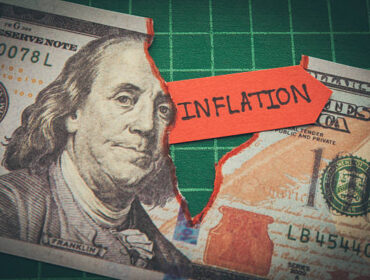
So, it is the cost of living (CPI) and purchasing power.
When prices of goods and services go up, they are inflating. If the inflation rate remains relatively high, the money’s buying power may decrease as well.
In times of inflation, gold can be considered a safe haven investment. A few investors purchase gold since they think it can provide them the security that their fortune requires when they need to safeguard their money.
But as for gold – inflation is not necessarily a driver of its price. There are other factors that can have a greater impact under certain circumstances.
One such situation, for instance, occurs when inflation could be going up and interest rates go up dramatically as well, which may put pressure on gold as there are more returns offered elsewhere.
But inflation matters, while it is just a component of What Drives Gold Prices in Global Markets.
The U.S. Dollar
Recently, the U.S. dollar has a big impact on gold due to its extensive use in quotations.
If the American dollar declines in value, gold may be less expensive to those who purchase gold in foreign currencies. These can bolster global demand.
There is a negative impact to a rise in the dollar. Those who make purchases in other currencies may have to pay more for gold.
The connection is not spot on. So; while the dollar is strong, gold can do what other market forces will make it do.
However, fluctuations in assets as opposed to money or chemicals are also significant factors for What Drives Gold Prices in Global Markets.
Central Bank Buying
Gold is a component of central banks’ storehouses. They can impact on the global demand.
The reasons for central banks including gold in their reserves are many. The upside of Gold is that it does not rely on the creditworthiness of any government or financial institution, and offers diversification.
When the purchase is a big one, it can draw other investors attention to it. They could also re-establish investors’ faith in gold as their ultimate store of value.
Central bank selling, when it enters into the market with a lot of new chips, can have a confusing effect: increase in supply which leads to a decrease in prices.
As such, the activity of the central bank is a keen interest in the study of What Drives Gold Prices in Global Markets.
Geopolitical Uncertainty
Investors can behave in a specific way depending on political and global events. Uncertainty could occur from wars, disputes over trade, international disagreements and important events.
Many investors search for assets during tougher times that they think will continue to be valued in those tough times. In these cases, gold is likely to be brought up.
This is not necessarily true when there are crisis situations – gold does not always rise during a crisis. Financial markets can have reactions which may seem peculiar at times. Some investors might be able to freely sell gold for cash, as a course of action, when market pressure is particularly intense.
Despite this, (safe havens) demand is a relevant contributor to.
Investor Sentiment
There is an element of hope and fear involved in markets. The investors might purchase gold either if they believe the price of the gold may increase, or they believe that the likelihood of this rising exceeds that of a decline. There may be others who have sold because they feel that prices are too high.
Such changes in demand will impact short-term prices.
These can stem from investment funds, individual investors or traders. The sentiment also can be rapidly turned on a dime with news or economic announcements.
Sentiment being one of the key factors of What Drives Gold Prices in Global Markets.
Gold Supply and Mining
Supply also has an impact on gold prices. The world is full of deposits where mining companies are able to obtain gold. The new production brings the metals into the market.
The mining of gold isn’t that easy. Firms have to locate deposits, prospect for mines, oversee the employees, cover operating expenses and abide by local laws.
The economics of mining can be impacted by increased production costs. Lower production may result in less supply in the future.
Another source of supply is recycled gold. Some owners may choose to sell jewelry, or other gold purchases, if they have something they no longer need, when the gold price is increased.
What Drives Gold Prices in Global Markets can be explained by these changes in supplies.
Conclusion
There are a lot of factors that influence the price of gold. The market is affected by such factors as interest rates, inflation, U.S. dollar, demand of central banks, supply of mining, demand of jewelry, rate of economic growth and investor sentiment.
Uncertainty around geopolitical challenges, market expectations could push up or down at this point as well.
Investors need to understand why investors can buy and sell gold despite lack of obvious physical demand. Investors need to understand Learning What Drives Gold Prices in Global Markets because gold can be bought and sold even if there is no obvious increased or diminished physical demand.
It is important to realize that none of the factors could predict all price changes. Markets are dynamic with fast changing conditions.
It’s best to use more than one indicator in combination. It is important for investors to align their gold exposure in line with their objectives, time horizon, and risk appetite.
By balancing approaches, knowledge of What Drives Gold Prices in Global Markets can help with better financial decisions without the help of short-term predictions.
Frequently Asked Questions
1) What is the most important factor that influences gold prices?
Interest rates, the rate of the dollar, rate of inflation, demand for investment, and activity at the central bank can all significantly affect the value. No one can tell the fate of the gold price at all times and under all circumstances.
2. Is it always true that as inflation rises gold’s prices also rise?
Inflation issues can affect No. Gold favorably, but the action of interest and currency and the investor sentiment can determine the direction of the change.
3. Is gold ‘safe’ investment?
While diversifying a portfolio, gold investing isn’t without its risks. It might go up in price or down, it does not pay regular interest or it does not pay dividends.